The Environmental Impact of Land Clearing: How True Grit Hauling Mitigates Challenges Apr 11, 2026
Understanding the core environmental challenges tied to land clearing is vital for both service providers and landowners. Trees and vegetation, removed during the clearing process, serve as crucial carbon sinks. When removed, not only is the habitat disrupted, but a significant carbon storage mechanism is also lost. This disruption can lead to increased atmospheric carbon dioxide, a contributor to climate change. Additionally, removal of vegetation exposes the soil beneath, making it susceptible to erosion by wind and water. This erosion not only depletes fertile topsoil but also affects water quality in nearby rivers and lakes, leading to further ecological imbalances.
True Grit Hauling acknowledges these concerns and implements strategic approaches to mitigate potential environmental damage. A cornerstone of their philosophy is minimizing impact while maximizing efficiency. One of the ways they achieve this is through selective clearing and maintaining buffer zones. Instead of clear-cutting an area, True Grit Hauling practices selective clearing, which involves the careful removal of trees and vegetation while preserving significant natural buffers. These buffers protect water resources and provide habitats for wildlife, maintaining ecological balance.
Another pivotal practice in True Grit Hauling’s operations is the emphasis on tree and brush recycling. Once cleared, organic materials are repurposed, transformed into mulch or compost, and distributed back into the environment or used in other projects. This not only reduces waste but also enriches soil quality and maintains organic cycles within the ecosystem. By integrating local materials into mulch or compost, the nutrient cycles are respected, further reducing the environmental footprint.
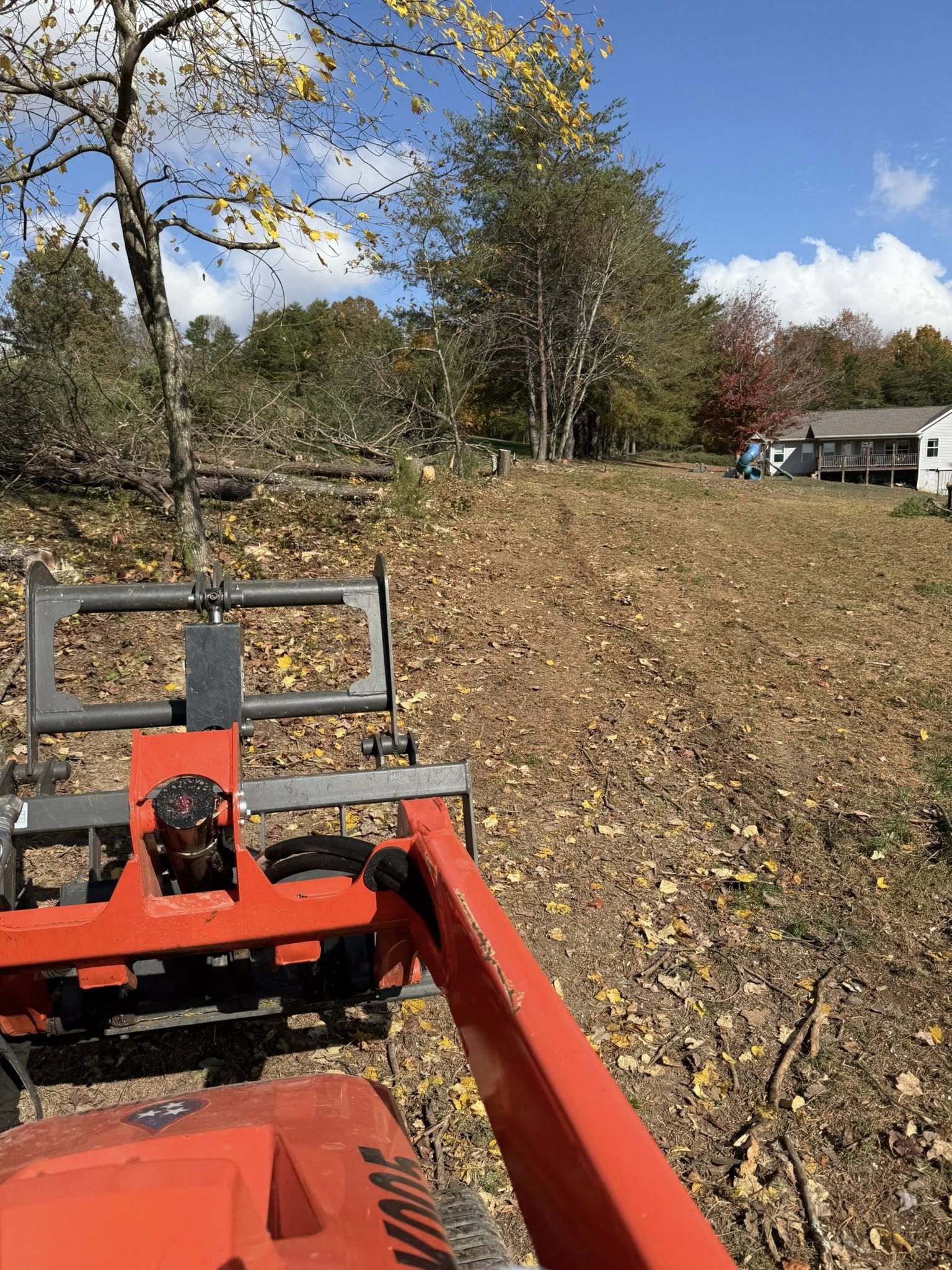
True Grit Hauling also employs advanced technology in their land clearing operations. Utilizing state-of-the-art machinery minimizes emissions, reduces fuel consumption, and ensures precision in clearing activities. Precision in land clearing means fewer disturbances to untouched areas, preserving the natural landscape and biodiversity. The use of technology also translates to less time spent on-site, lowering the overall carbon emissions associated with the land clearing process.
Collaboration is a fundamental aspect of how True Grit Hauling addresses the environmental impact of land clearing. By working closely with environmental scientists, local communities, and governmental agencies, True Grit Hauling stays informed and compliant with current regulations and environmental standards. Their open lines of communication with stakeholders ensure that their clearing strategies are both effective and sustainable.
In conclusion, while the environmental challenges associated with land clearing are significant, they are not insurmountable. True Grit Hauling’s commitment to sustainable practices, resource recycling, and technological advancement sets them apart in the industry. As stewards of the land, they understand that development need not come at the expense of environmental health. Landowners and developers partnering with True Grit Hauling can rest assured that their projects will not only thrive but also coexist harmoniously with nature, ensuring a legacy of sustainability and respect for the environment.
/filters:no_upscale()/filters:format(webp)/media/ba0a5438-7ebf-49cb-bd68-0679939e473e.jpeg)